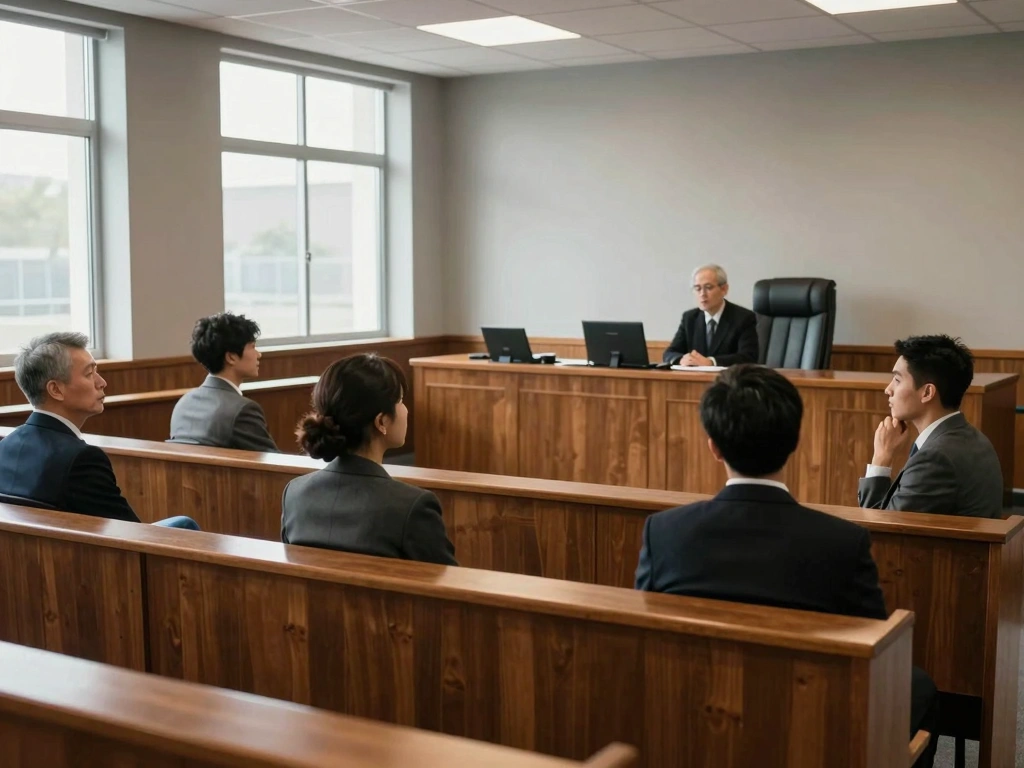
Introduction to Small Claims Court Venue Rules
Definition of Small Claims Court
Small claims court is a specialized legal forum designed to resolve disputes involving relatively small amounts of money, typically ranging from a few hundred to a few thousand dollars. These courts provide a simplified and expedited process, allowing individuals to represent themselves without the need for legal counsel. The specific monetary limit varies by state; for example, in California, the limit is $10,000 for individuals, while in New York, it is $5,000.
Purpose of Venue Rules
Venue rules dictate the appropriate location for filing a legal action, ensuring that the case is heard in the most suitable court based on geographical and jurisdictional factors. These rules aim to promote fairness and efficiency in the judicial process by reducing unnecessary travel for parties involved and ensuring that cases are adjudicated in a location that has a connection to the dispute.
Importance of Understanding Venue Rules
Understanding venue rules is crucial for anyone considering filing a small claims case. Incorrectly selecting a venue can lead to delays, increased costs, or even dismissal of the case. For example, a plaintiff who files in the wrong county may find their case dismissed or transferred, necessitating additional filing fees and wasted time. Thus, comprehending the nuances of venue rules is essential for successfully navigating the small claims process.
Determining the Correct Venue for Small Claims
Factors Influencing Venue Selection
Several factors come into play when determining the appropriate venue for a small claims case:
- Location of the Dispute: The venue should be where the incident occurred or where the contract was signed.
- Residency of the Parties: Courts usually have jurisdiction over defendants in the county where they reside.
- Nature of the Claim: Different types of claims may have specific venue requirements based on local laws.
Jurisdictional Considerations
Jurisdiction refers to a court's authority to hear a case. In small claims court, jurisdiction is typically determined by the geographical location of the parties involved and the subject matter of the dispute. For instance, if a plaintiff from New York sues a defendant residing in New Jersey, the case must be filed in a court that has jurisdiction over the defendant's location, unless there are other compelling jurisdictional factors at play.
Geographic Convenience for Plaintiffs and Defendants
Geographic convenience is a fundamental aspect of venue selection. Courts aim to reduce the burden on both plaintiffs and defendants by allowing cases to be heard in a location that is accessible. For instance, if a plaintiff lives in a different state than the defendant, they must weigh the convenience of traveling to the defendant's location against the rules governing proper venue. Courts often consider factors like distance, transportation options, and associated costs.
State-Specific Venue Rules
Variations in Venue Rules Across States
Venue rules can vary significantly from one state to another. For example, some states allow plaintiffs to file in any county where the defendant resides or where the cause of action arose, while others have stricter guidelines. In Texas, for example, a plaintiff can file in the county where the defendant resides, where the contract was performed, or where the incident occurred. Understanding these specific rules is vital for a successful filing.
Common State Exceptions and Requirements
Many states have unique exceptions and requirements that can affect venue selection:
- Consumer Protection Laws: Certain states may have laws allowing consumers to file in their home county even if the business operates elsewhere.
- Real Property Claims: Disputes involving real estate must often be filed in the county where the property is located.
- Contractual Agreements: Contracts may specify a particular venue for disputes, which must be honored unless deemed unreasonable.
How to Research State-Specific Rules
To ensure compliance with state-specific venue rules, individuals can take several steps:
- Consult State Court Websites: Most state court systems provide comprehensive resources on small claims procedures, including venue rules.
- Review State Statutes: Accessing the local statutes can provide insights into specific requirements and exceptions.
- Seek Legal Advice: If in doubt, consulting a legal professional can help clarify complex venue rules and ensure correct filing.
Filing Procedures in the Correct Venue
Steps to File a Small Claims Case
Filing a small claims case involves several key steps:
- Determine the Correct Venue: Assess the factors discussed earlier to identify the appropriate court.
- Complete the Necessary Forms: Obtain and fill out the required small claims forms, which vary by state.
- Pay the Filing Fee: Most courts require a fee that can range from $30 to $100, depending on the claim amount and location.
- Serve the Defendant: Ensure that the defendant is properly notified of the case through formal service of process.
Required Documentation for Venue Submission
When filing a small claims case, the following documentation is generally required:
- Statement of Claim: A detailed explanation of the dispute and the relief sought.
- Evidence: Any relevant documents, photographs, or other evidence supporting the claim.
- Proof of Service: Documentation showing that the defendant has been served with notice of the claim.
Potential Consequences of Incorrect Filing
Filing in the incorrect venue can have significant repercussions:
- Case Dismissal: A court may dismiss the case if it determines that it lacks jurisdiction.
- Transfer of Venue: The case may be transferred to the correct court, resulting in additional fees and delays.
- Increased Costs: The plaintiff may incur extra expenses related to re-filing and serving documents again.
Challenging Venue Decisions in Small Claims Court
Grounds for Contesting Venue
Parties may challenge venue decisions based on several grounds:
- Improper Jurisdiction: Arguing that the court does not have jurisdiction over the parties or subject matter.
- Inconvenience: Claiming that the chosen venue is significantly inconvenient for one of the parties.
- Violation of Venue Rules: Demonstrating that the court's selection of venue is contrary to established venue rules.
The Process for Venue Change Requests
To request a change of venue, the following steps are typically followed:
- File a Motion: The party seeking the change must submit a formal motion to the court outlining the reasons for the request.
- Provide Supporting Evidence: Include any documentation that supports the argument for changing the venue.
- Attend a Hearing: A hearing may be scheduled where both parties can present their arguments before the judge makes a ruling.
Impact of Venue Changes on Case Outcomes
Changing the venue can significantly impact the case's outcome. A more favorable venue may lead to a more sympathetic jury or a judge more familiar with the types of cases being presented. For instance, if a plaintiff moves the case from a rural court to an urban court where jurors are more familiar with consumer protection issues, the plaintiff might have a better chance of success. Conversely, moving to a more defendant-friendly venue can be detrimental to a plaintiff's case.